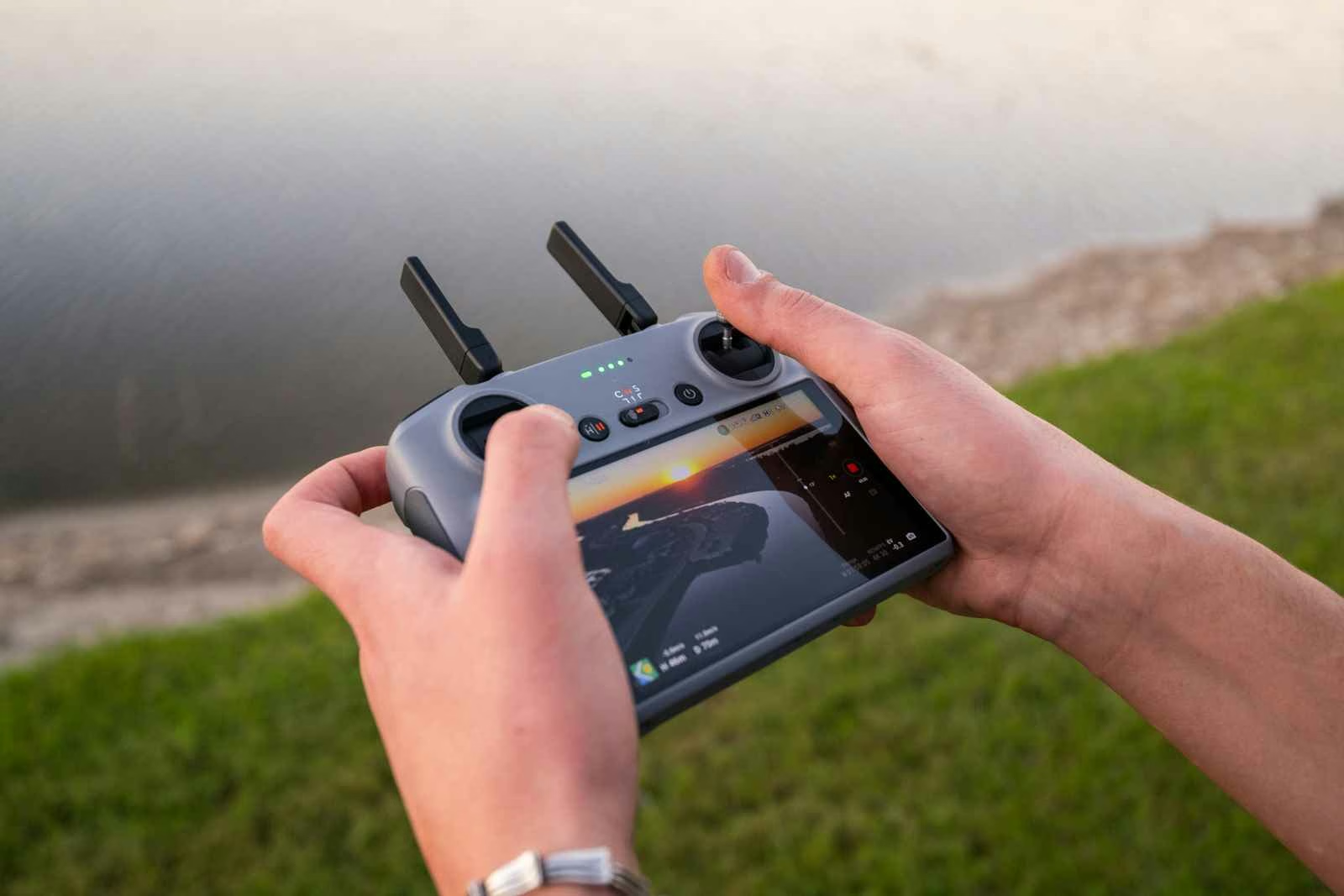
 Photo from evsimon.com · Book your wedding
Yes, you need insurance to fly a drone in Spain, and AESA says so plainly. You need suitable insurance that covers every flight you make. You don't need a permanent policy, the kind you pay for all year round. It is enough to be covered on each flight. AESA bases this on Article 8 of Royal Decree 517/2024 and includes it in the documentation that every operator flying in the 'open' category must have. That is the low-risk category, the one that requires no authorisation or declaration before take-off. Not needing paperwork beforehand doesn't mean you can fly without insurance.
How much must the insurance cover?
And how much must it cover? Here AESA cites two different regulations, each with its own figure, and it is easy to mix them up.
The European rule and light drones
The first is European. Regulation 785/2004 sets a minimum of 750,000 SDR for third-party damage on the ground, for aircraft of up to 500 kg. SDR are Special Drawing Rights (Derechos Especiales de Giro, DEG in Spanish), a unit of value that international rules use instead of a specific currency. But that regulation leaves out aircraft under 20 kg, and that is where most drones fall. That is why some English-language pages say that if your drone weighs less than 20 kg, there is no specific insurance requirement. That statement refers to the European regulation. It does not refer to AESA's rule.
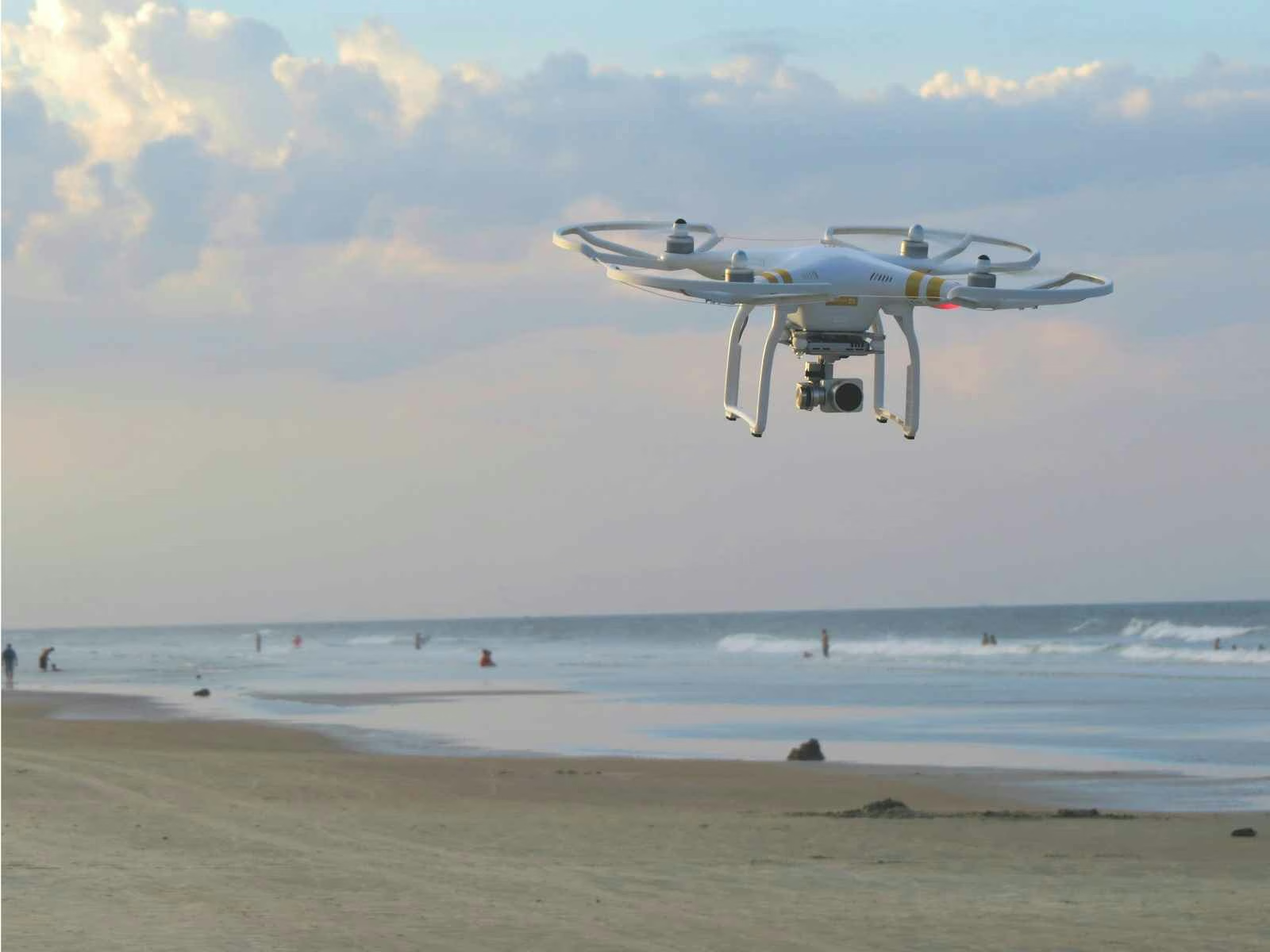
 Photo from evsimon.com · Book your wedding
The Spanish rule
The second is Spanish. Royal Decree 37/2001 sets its own minimum amount, 220,000 SDR. AESA gives this figure alongside the previous one, but it is a different requirement and comes from a different regulation. It is not the same minimum expressed another way.
What applies in Spain
What is clear in Spain is AESA's rule: suitable insurance for every flight. Which figure applies to you is exactly what you should confirm with your insurer and on the AESA website before signing anything. It makes no difference whether you fly in Gijón, in another corner of Asturias or anywhere else in Spain. The rule is the same. And it is also the same if the drone goes up for wedding or corporate event photography and video.
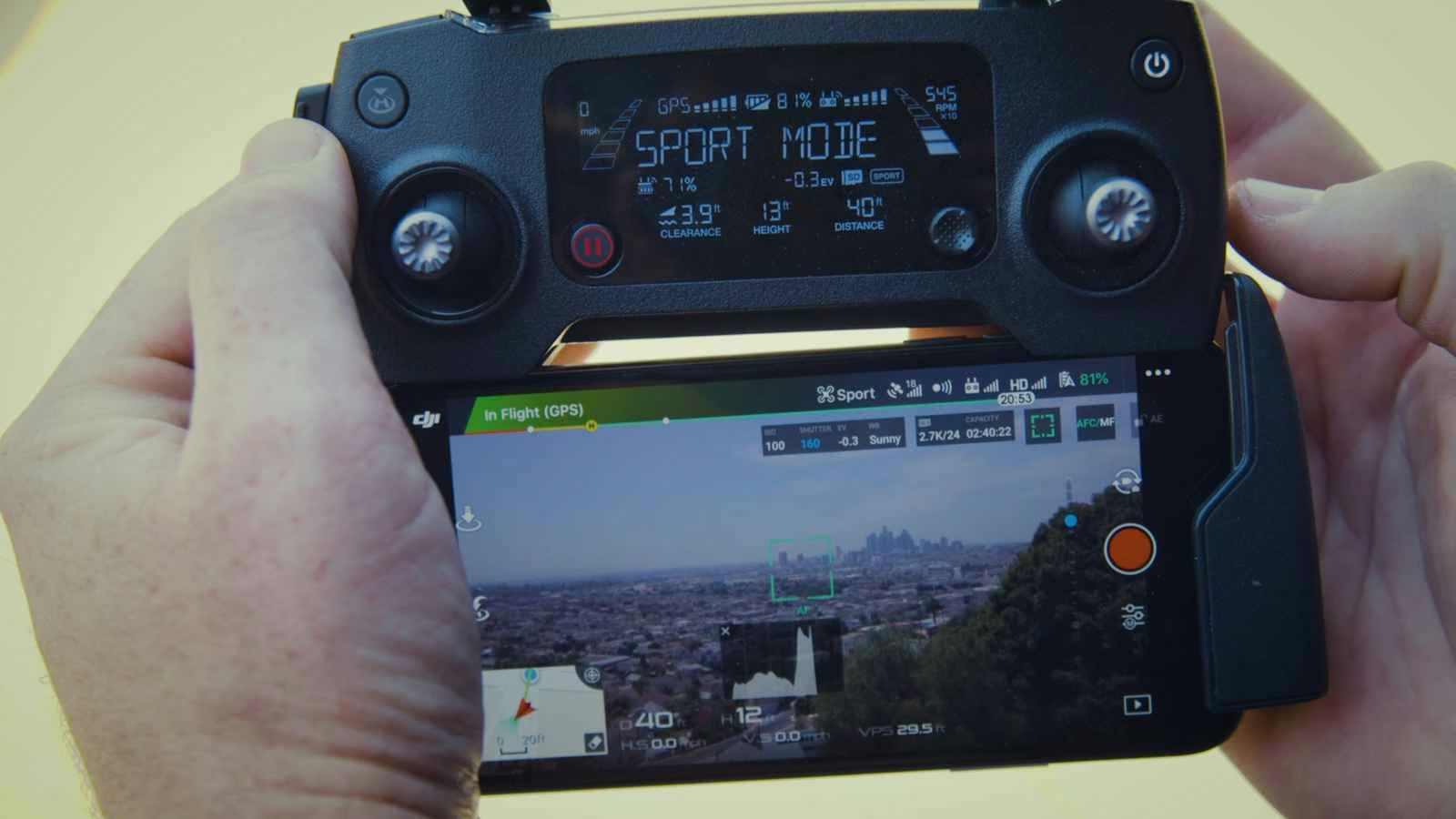
 Photo from evsimon.com · Book your wedding
Distances in the 'open' category
Insurance isn't the only thing. The 'open' category has three subcategories, A1, A2 and A3, and each has its own distances. In A2 you must keep at least 30 m of horizontal distance from people who are not involved in the flight. In A3 you fly where you won't put any uninvolved person at risk and at least 150 m from residential, commercial, industrial or recreational areas.
What to do before your next flight
Before your next flight, get out your policy. Does it cover third-party damage? Does it cover you on the day you are going to fly? If you don't have insurance, get one for that flight. It doesn't have to be annual. Then go to the AESA website and read the section on the 'open' category. That is where the list of documents is, and where you will see whether your drone requires you to register as an operator on the electronic portal (sede electrónica). Don't have the A1/A3 certificate yet? AESA's online training and exam are free: 40 questions, 40 minutes, and you pass with 75% correct answers.
Links
More useful links: seguridadaerea.gob.es, seguridadaerea.gob.es, easa.europa.eu.