 Photo from evsimon.com · Book your wedding
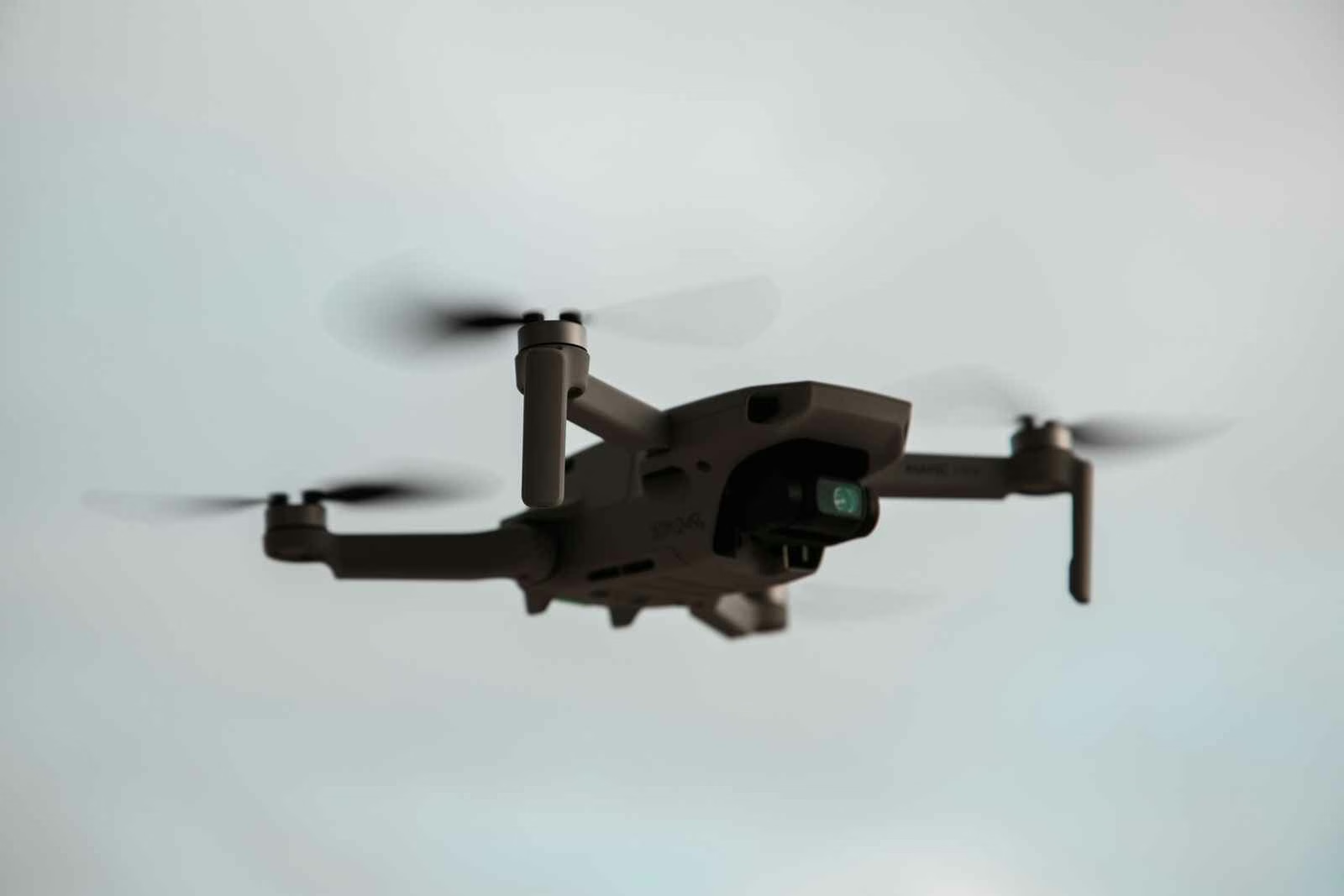
The short answer depends on the subcategory you fly in. In A1 you fly while avoiding passing over people who are not involved in the flight, and never over an assembly of people. With the lightest drones, those under 250 g, passing over someone occasionally is not prohibited. What is never allowed, under any circumstances, is flying over a crowd. In A2 you must keep a horizontal distance of at least 30 metres from anyone not involved in the operation, and you may only use drones with the C2 class label. In A3 you fly in areas where you do not put anyone uninvolved in the flight at risk, and always at least 150 metres from residential, commercial, industrial or recreational areas. That means A3 is never suitable for flying in a town or city, or near people.
The open category and insurance
These three subcategories make up the open category, the low-risk one. Within it you do not need an authorisation or a prior declaration to the authority before taking off. The distances, however, are mandatory, and you also need insurance that covers each flight. It does not have to be a permanent policy. It is enough for it to cover the flight you are about to make.
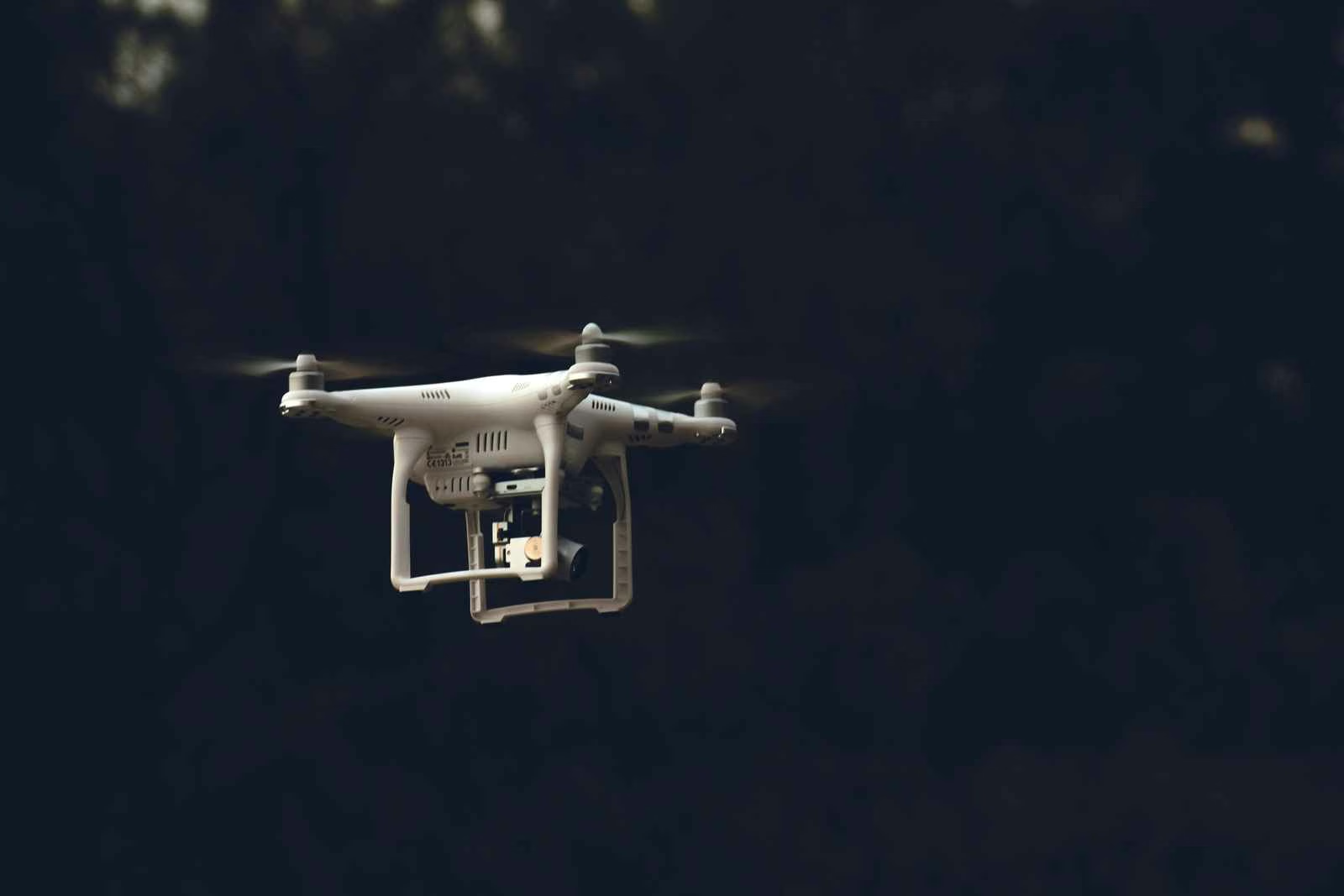 Photo from evsimon.com · Book your wedding
What training you need
What about training? The first step for any flight in the open category, including an A3 flight far away from everyone, is the A1/A3 theoretical knowledge certificate. It is issued by AESA. First you complete an online course and then a free exam of 40 questions in 40 minutes. You pass with at least 75% correct answers, and the certificate is valid for 5 years. If you want to fly in A2, closer to people, you first need that A1/A3 certificate. Then you declare that you have completed practical self-training and pass another exam of 30 questions in 30 minutes, again with 75% correct answers.
At a wedding or event in Asturias
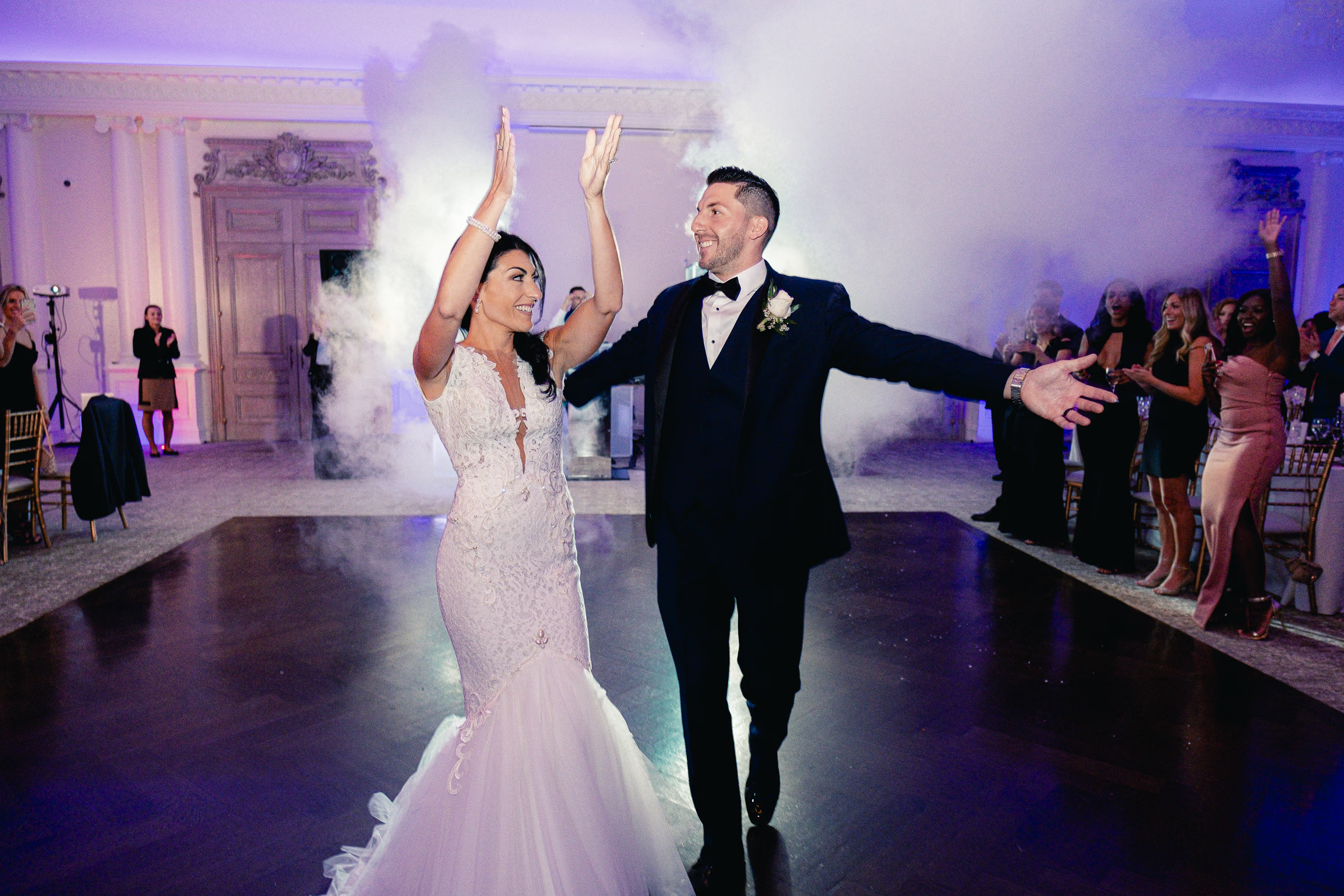
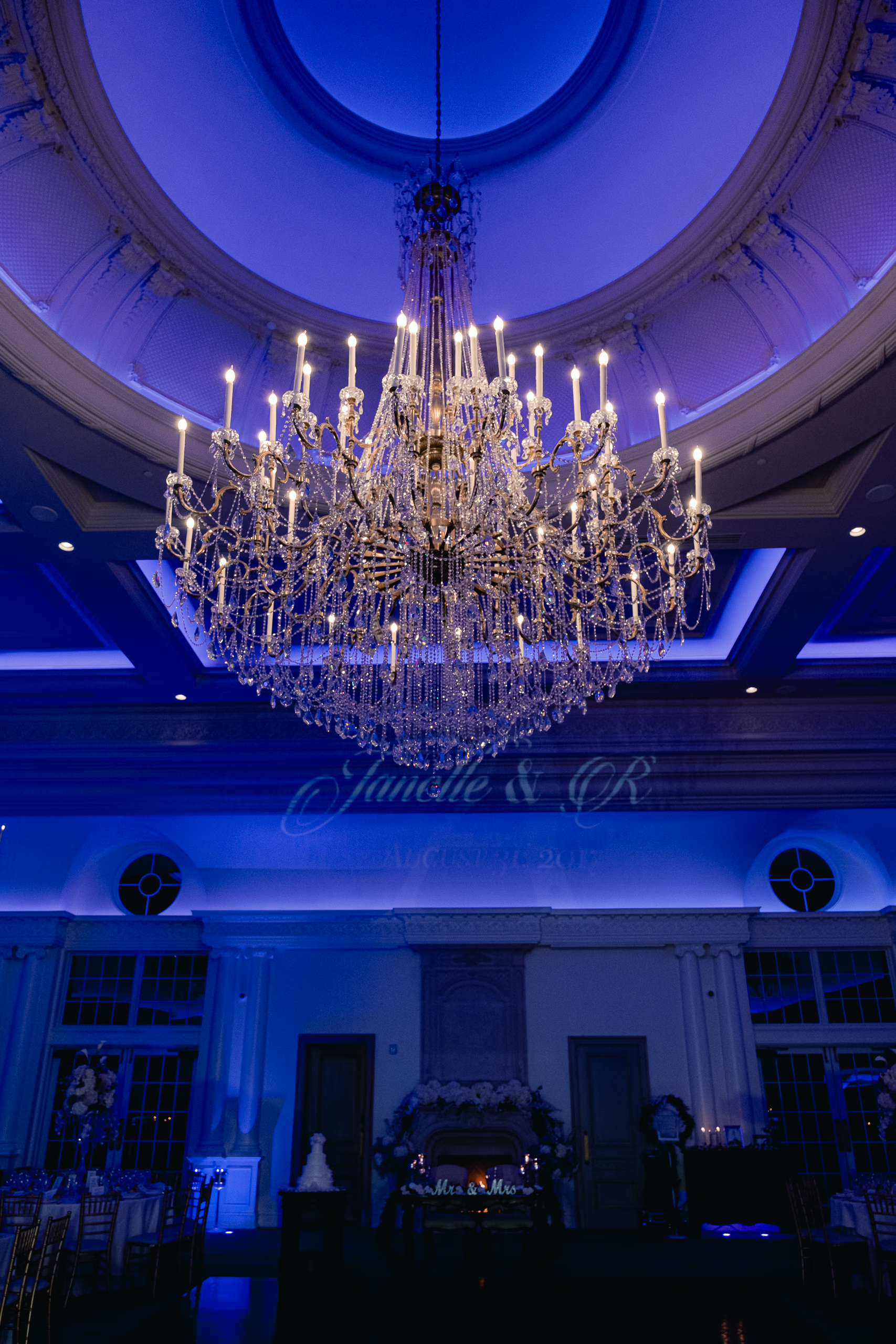
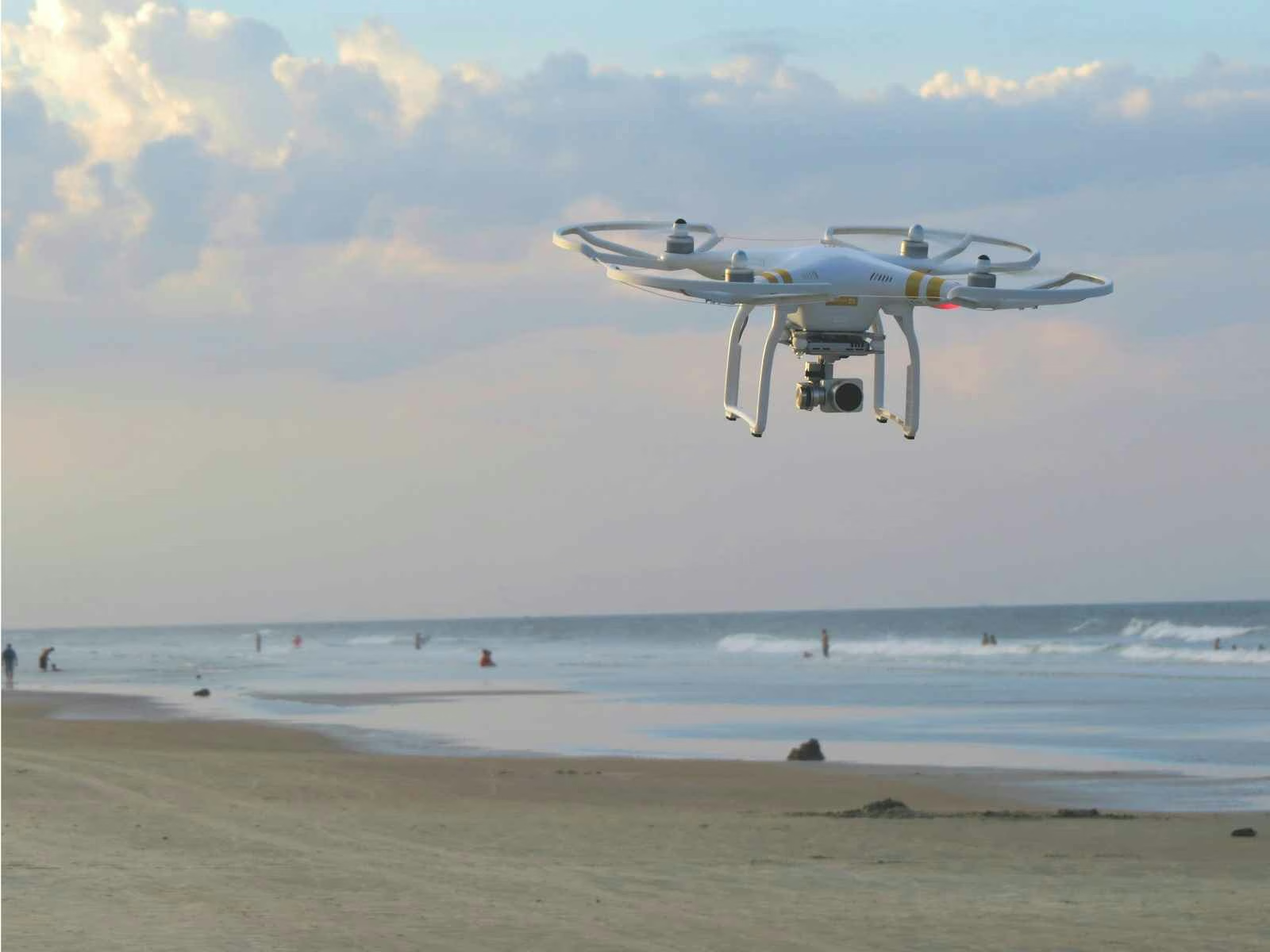
At a wedding or an event in Gijón, all of this shows up in very specific things: where the drone takes off, where it flies and how far it stays from guests who do not know it is there. Evan & Natalia Simon work in photography and video for couples and brands in Asturias, and every aerial shot is planned with thought for which subcategory applies to that drone in that location, whether it is a manor house (palacio), a beach or a country estate.
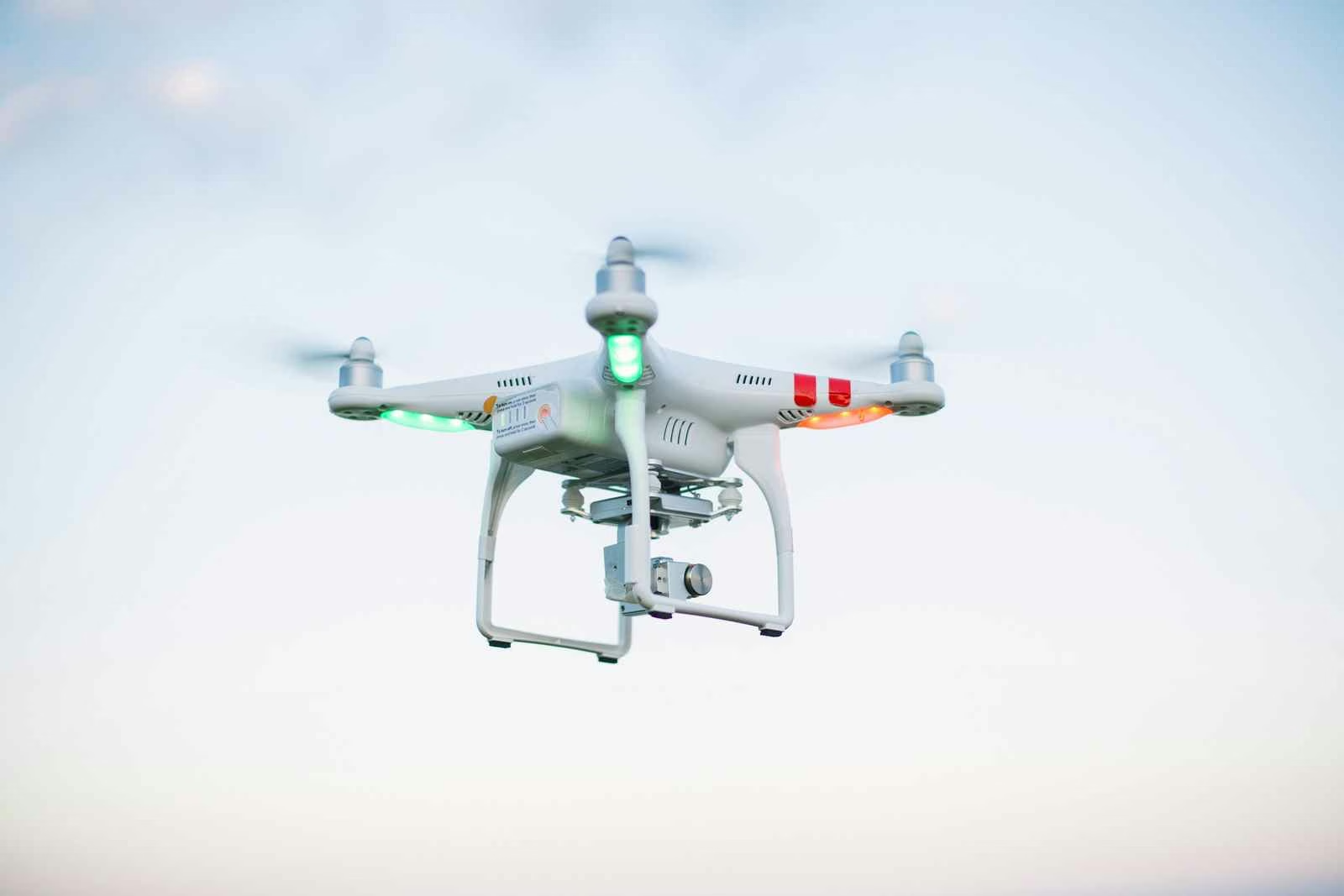 Photo from evsimon.com · Book your wedding
What to do now
What should you do now? If you are going to fly yourself, first check your drone's class label, because the subcategory depends on it. Then get the A1/A3 certificate through AESA's online portal (sede electrónica) and make sure you have insurance for the flight you want to make. If you are organising a wedding or a corporate event in Asturias and want aerial video, ask the photography and video team which subcategory they will fly in and how far away the guests will be. It is a simple question, and anyone who flies carefully will answer it without any trouble.
Links
More useful links: seguridadaerea.gob.es, seguridadaerea.gob.es, seguridadaerea.gob.es.