 Photo from evsimon.com · Book your wedding
They turn out well, and sometimes even better than in daylight, as long as there is some light to capture. Photography is about capturing light and turning it into an image: no light, no photo. At a night-time wedding, the photographer works with the light already there, such as street lamps, candles and the lights put up by the planner, and adds their own with flash when needed. That way you get different photos, with details that would go unnoticed in broad daylight, such as the sparkle of the beading on the bride's dress. There are two complications. Many places chosen for a night wedding are short on light. And the photo and video budget usually doesn't stretch to lighting a large space as if it were a film studio. That's why it pays to prepare well in advance.
The venue and the time
It all starts long before the wedding, when you choose the venue and the time. Hardly any couple thinks about the photos at that point, and by the time they finally call the photographer everything is already fixed: ceremony, drinks reception, dinner and dancing. If you're getting married as evening falls, it's worth knowing when the sun sets. Roughly an hour before comes golden hour, with a soft light that is very flattering for the couple. Just after sunset comes blue hour, which lasts about an hour. Couple portraits during that time offer plenty of possibilities.
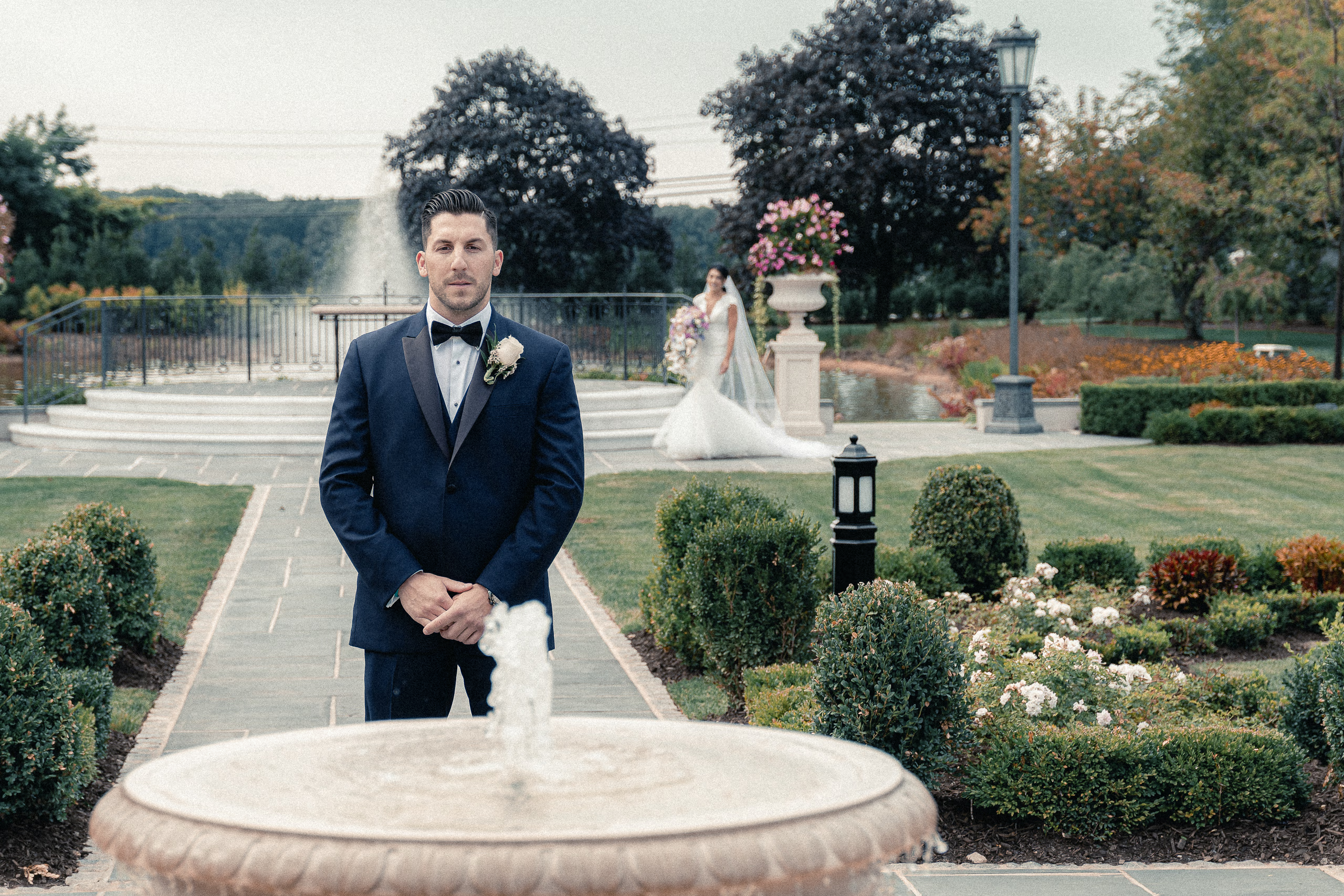 Photo from evsimon.com · Book your wedding
Talking to the photographer and visiting the venue
Then you tell the photographer the venue and the time. With those two details they can already work out how to take each photo. Ideally, they visit the venue to see what it looks like at night and talk to the planner to find out where the lights will go. A very dark hall or a room without large windows is no problem at all if it's known beforehand. If nobody checks, the surprise comes in the middle of the wedding.
The equipment on the wedding day
On the wedding day itself, the photographer adjusts the camera to every corner and makes the most of the lights available. So as not to fall short, they bring flashes, diffusers that soften the light and modifiers such as umbrellas or softboxes (fabric boxes that spread the light). Spare batteries are just as important, because running out of power halfway through the wedding can't be fixed. At the party, the first dance or the open bar can be lit with two or more off-camera flashes, placed in the background at chosen spots. That way the scene doesn't look flat or dark.
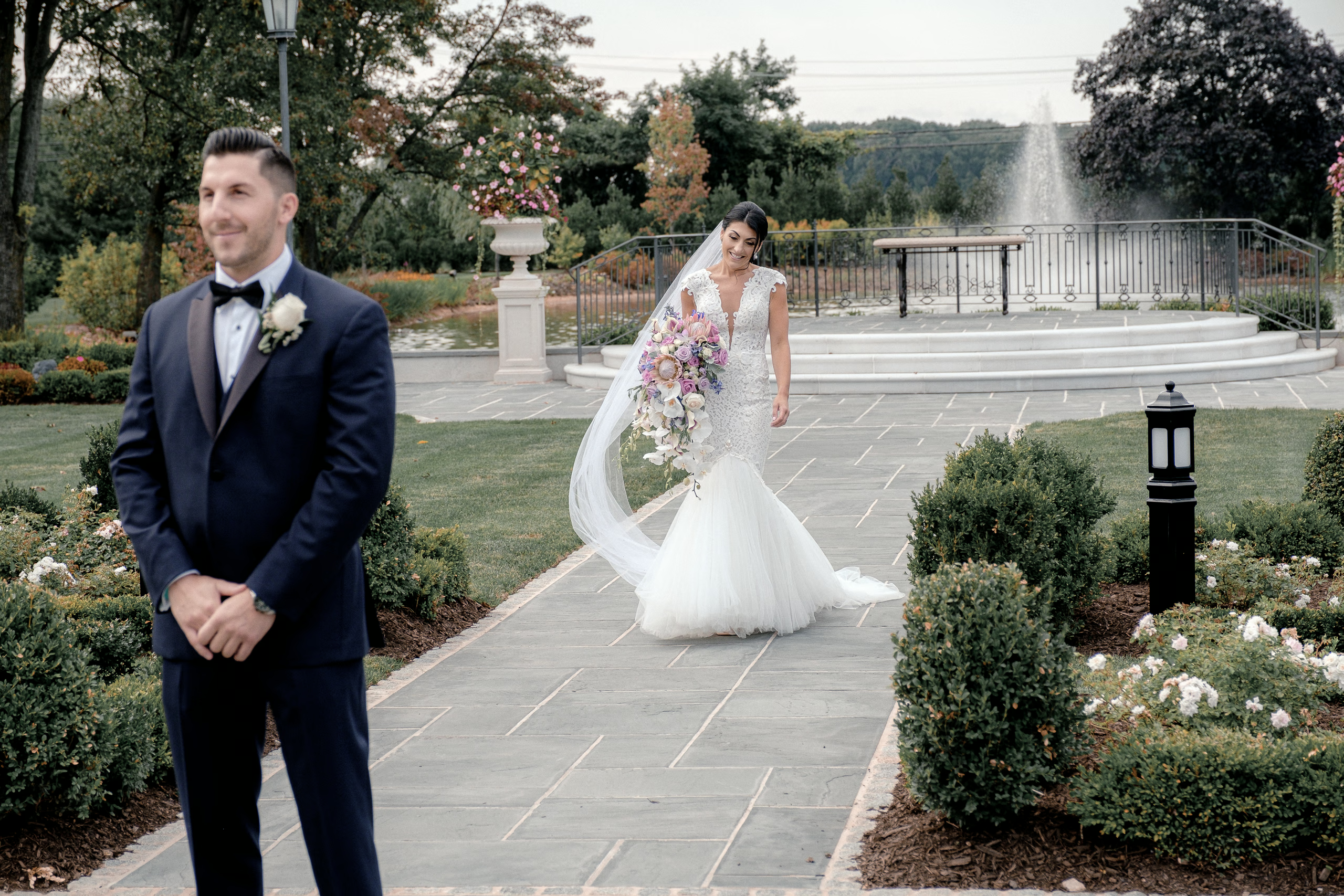 Photo from evsimon.com · Book your wedding
What to do now
If you're planning a night-time wedding, the most useful thing right now is to be clear about the venue and the time and to share them early with whoever will be taking the photos. That leaves time to visit the venue and talk to the planner. Evan & Natalia Simon do wedding photography and video, as well as events for brands and companies, in Gijón, across the rest of Asturias and in other places in Spain and Europe. Do you already have a date and a venue? Write to them with those details and arrange a short call to clear up any questions about the night.