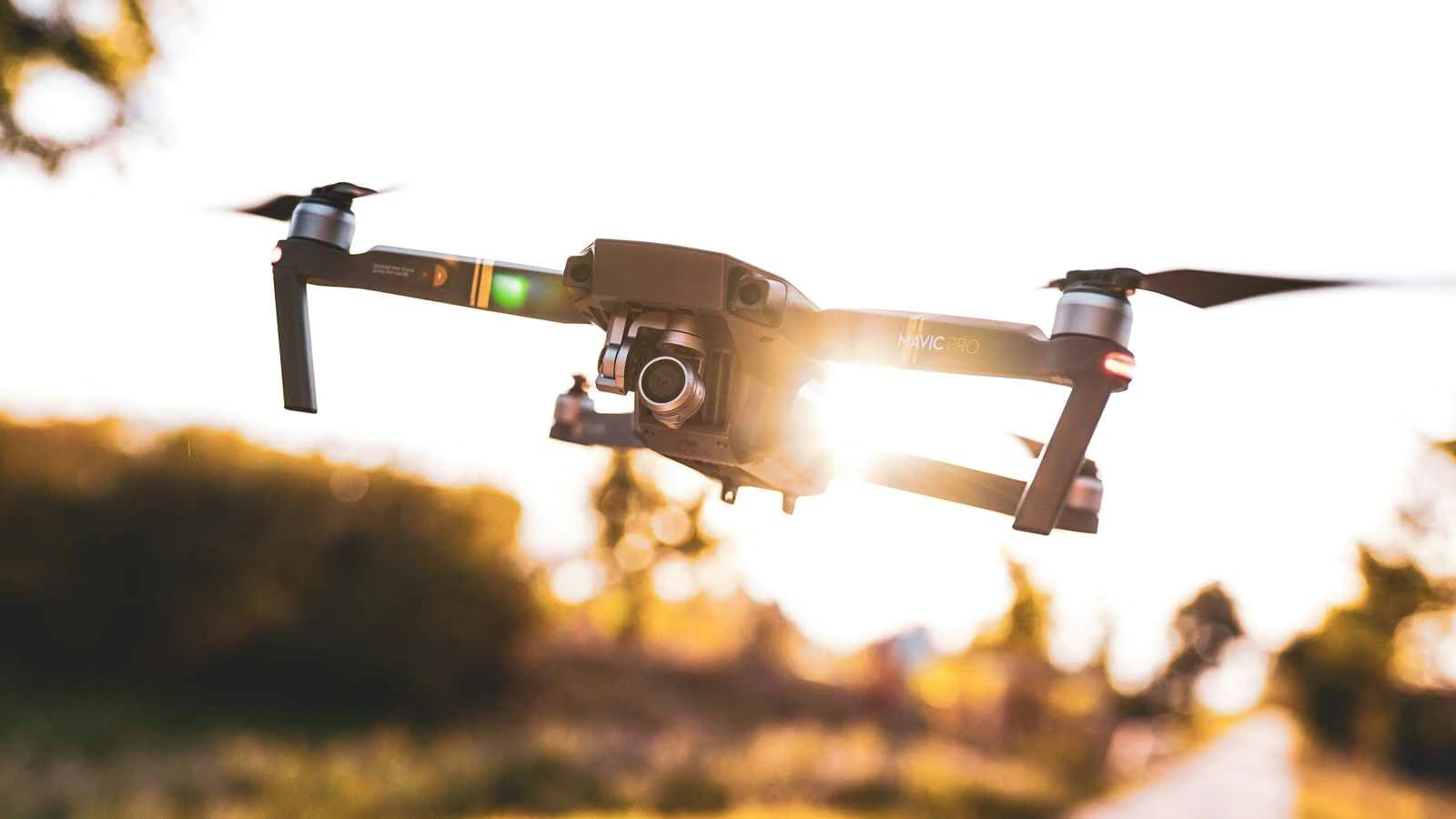
 Unsplash · Bruno Kelzer
Yes, it's free and it's done online. AESA, Spain's State Aviation Safety Agency, offers online training followed by an exam, also online, for the remote pilot certificate in the A1/A3 subcategory. It is the only way to get it. The exam has 40 questions and you have 40 minutes to answer them. The questions are drawn from a syllabus of 9 subjects. You get 2 attempts. If you use both and the result is a fail (No Apto), you receive a negative decision. Your file is then closed, which can take 24 hours, and you have to register again to get another two attempts. The certificate is valid for 5 years. You must apply to AESA for renewal before it expires, not after.
What the certificate is for
What is it for? That depends on where you want to fly. In A1 you fly without passing over people who are not involved in the flight, and never over crowds. In A3 you fly at least 150 metres away from residential, commercial, industrial or recreational areas, without flying over people or crowds. To fly in A1 or in A3 with the drones AESA describes for each, this certificate is mandatory. Even in cases where it isn't, AESA recommends having it anyway. That way you learn the basics of flying safely.
Beware of unofficial courses
One detail worth knowing before you pay for anything. This AESA A1/A3 training is the only official one. The other unregulated courses being advertised are not official. They are not accredited by AESA or by any other public body, whether Spanish or European.
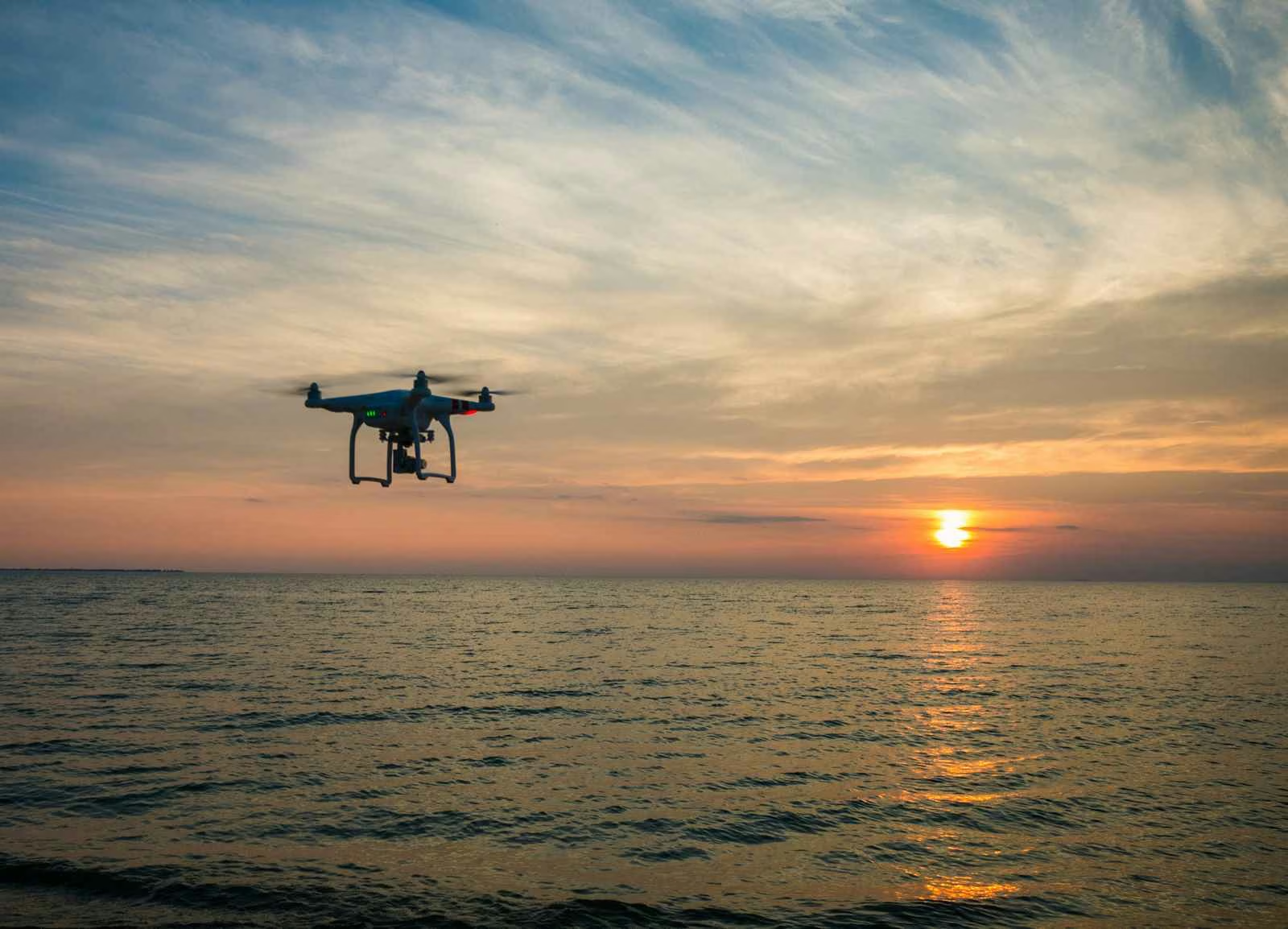 Unsplash · Aaron Burden
The next level
And if you want more later? The next step is the A2. First you need to pass the A1/A3. When you enrol, you declare to AESA that you have completed practical flight training on your own. The A2 exam has 30 multiple-choice questions and a maximum of 30 minutes. As with the A1/A3, you get 2 attempts. To pass, you need to answer at least 75% of the questions correctly. If you already hold the standard scenario (STS) certificate, you can apply for the A2 directly, without an exam.
Valid throughout Spain
The best part is that the certificate is the same wherever you fly: in Gijón, in any corner of Asturias or elsewhere in Spain. It makes no difference whether you're after aerial shots for photography and video or simply want a relaxed flight on a Sunday. This is where you start.
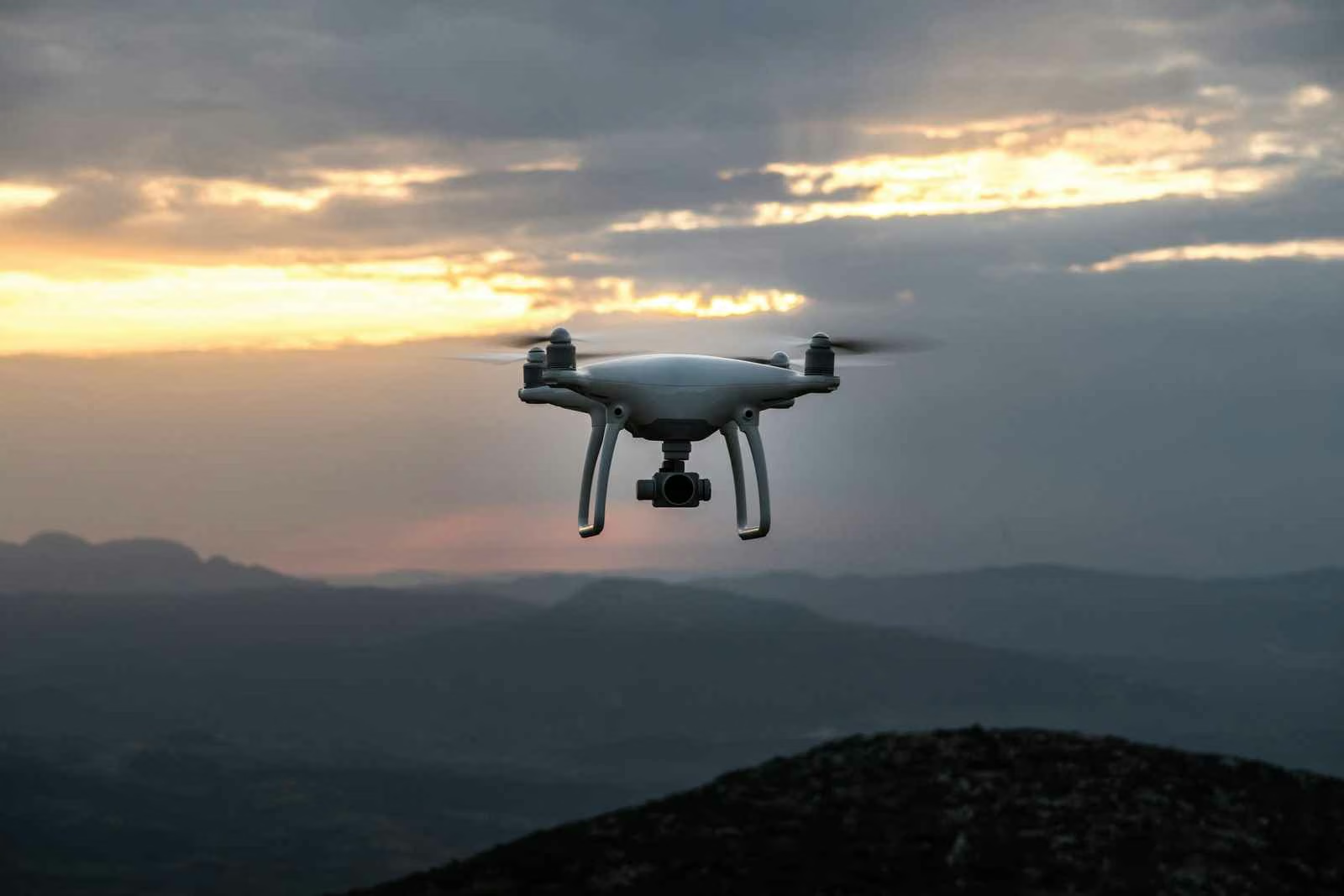 Unsplash · Jason Mavrommatis
How to get started
The next step is simple. Go to the AESA website and look for the section «Formación en subcategoría “abierta” A1/A3» (training in the open subcategory). Work through the training calmly, one subject at a time, and save the exam for when you have 40 minutes without interruptions. Have a question? AESA has a frequently asked questions section and a contact section. Once you have your certificate, put the expiry date in your calendar. That way you can apply for renewal in time.
Links
Information checked on: seguridadaerea.gob.es, seguridadaerea.gob.es, seguridadaerea.gob.es.